How we got here

Our History

Summerhill has been reshaped again and again by decisions made in the name of regional progress. Streets, highways, stadiums, and redevelopment have each left a lasting mark. That history provides context for understanding current proposals involving the neighborhood’s public land.

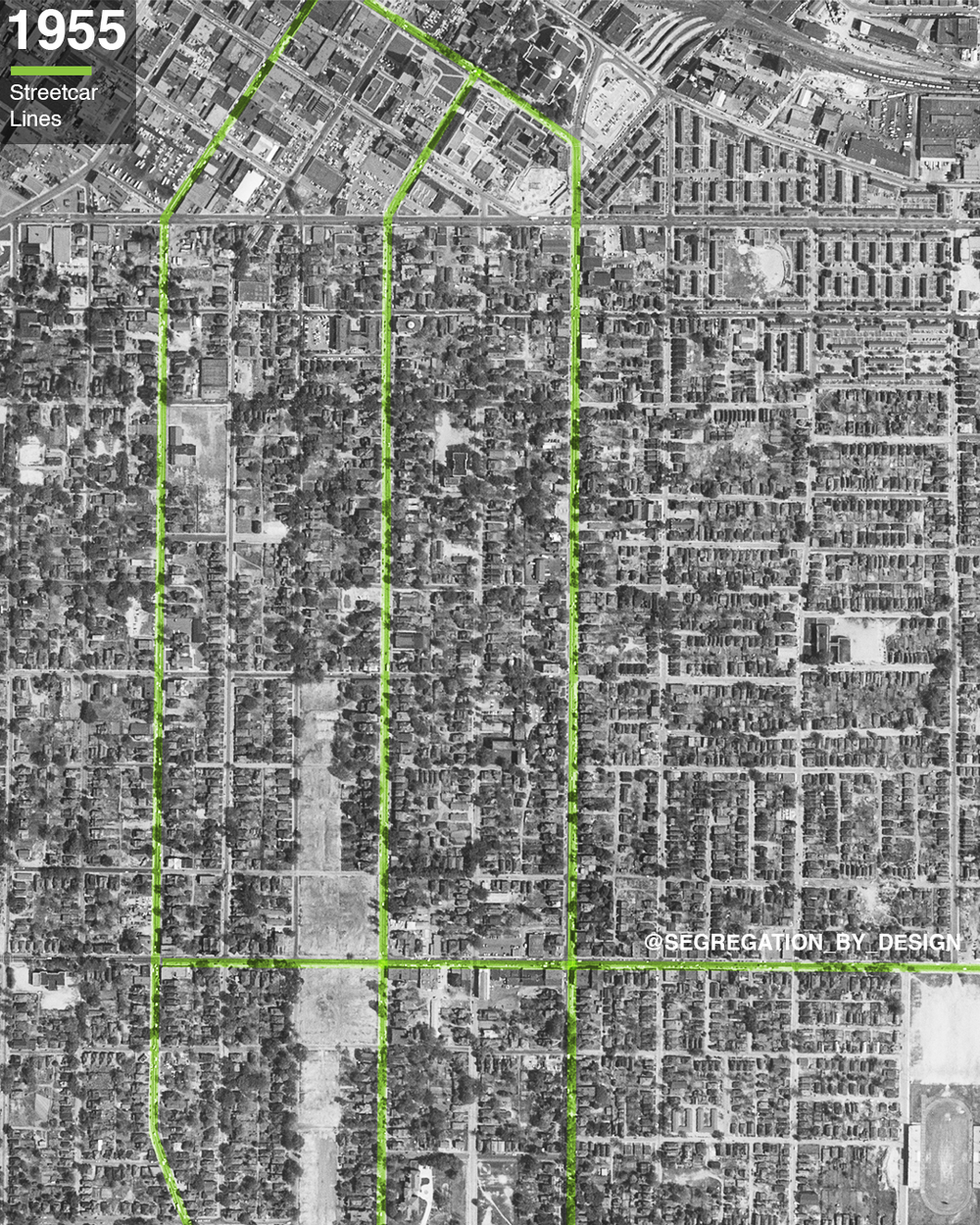
Black-and-white aerial map of Summerhill in 1955

A neighborhood built on connection

Summerhill began as a walkable city neighborhood laid out on Atlanta’s street grid, with streetcar connections linking residents to downtown, jobs, shops, schools, and churches. Georgia Avenue served as a neighborhood main street, and daily life was organized around close blocks, public streets, and local institutions.
The highway cuts through Summerhill

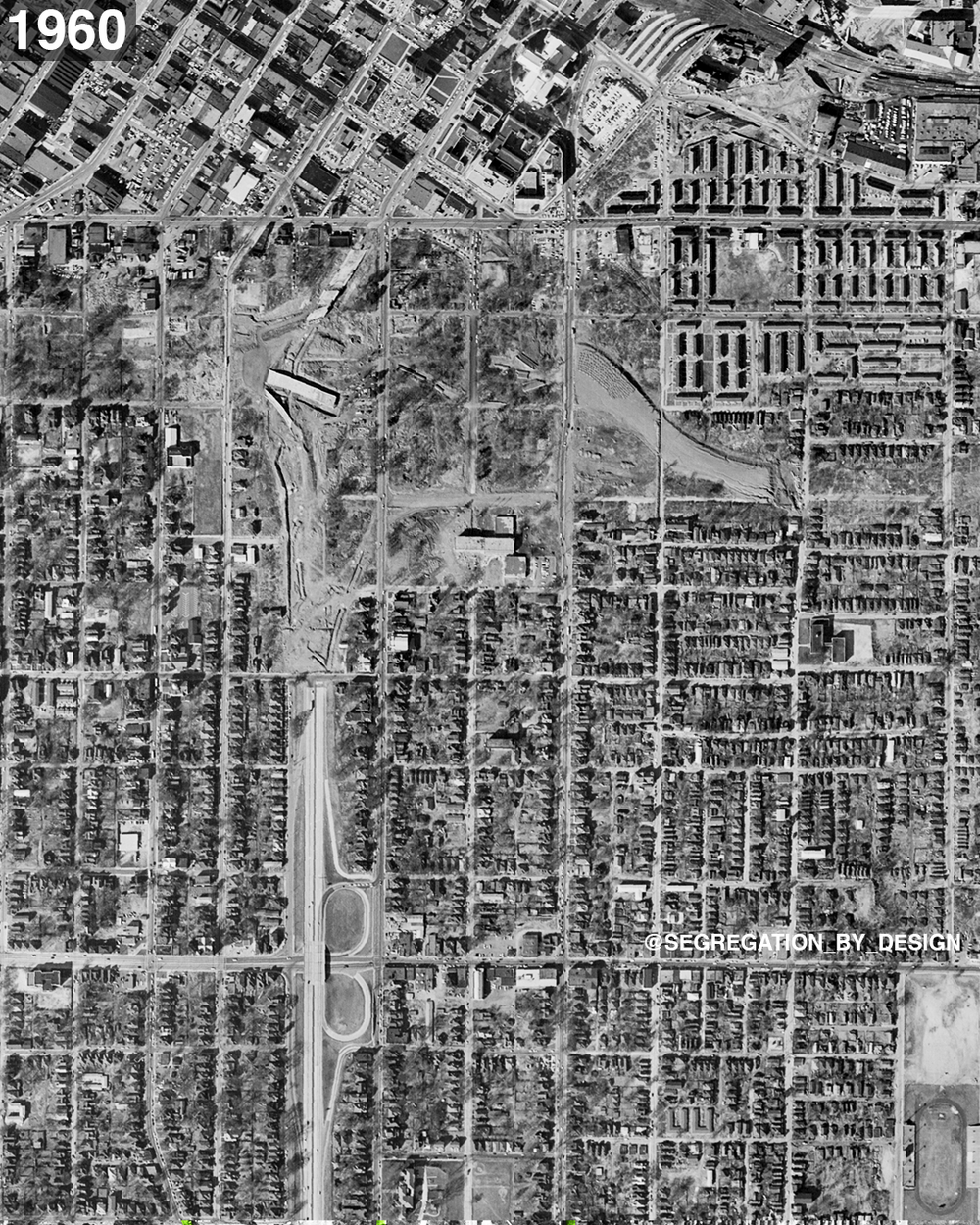
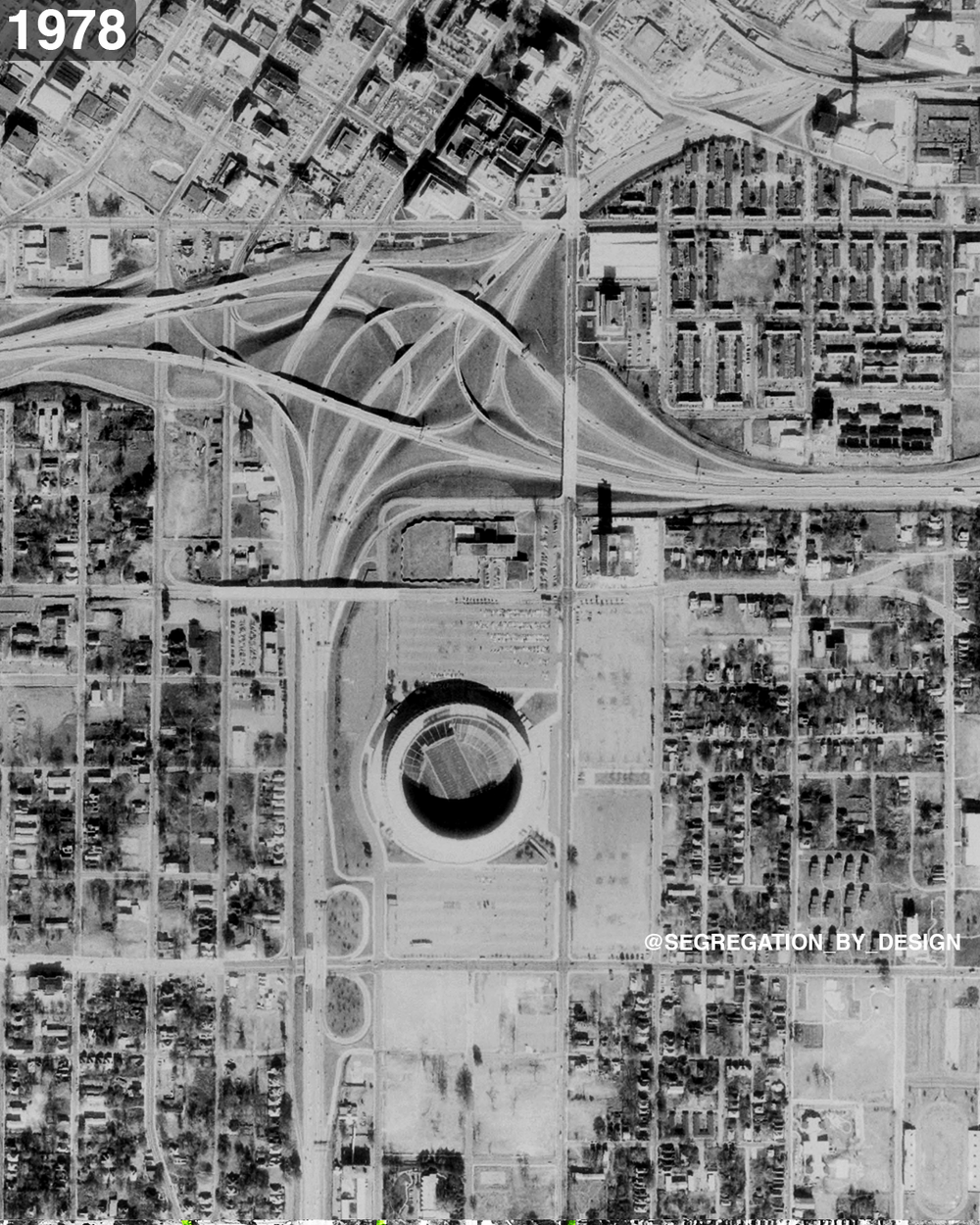
In the 1950s, highway construction divided the neighborhood and severed many of its connections. Homes and businesses were removed, streets were interrupted, and the new infrastructure made it easier to pass through Summerhill while making life harder for the people who lived there.

Aerial photograph showing change from highway construction
Aerial view of the former Atlanta–Fulton County Stadium and surrounding parking seen from downtown

The stadium clears what remained

In the 1960s, construction of Atlanta–Fulton County Stadium removed more homes and businesses and surrounded the area with parking. The project was presented as progress for Atlanta, but for Summerhill it completed a long period of displacement and left the neighborhood carrying the cost of a regional attraction.

A new stadium, familiar promises

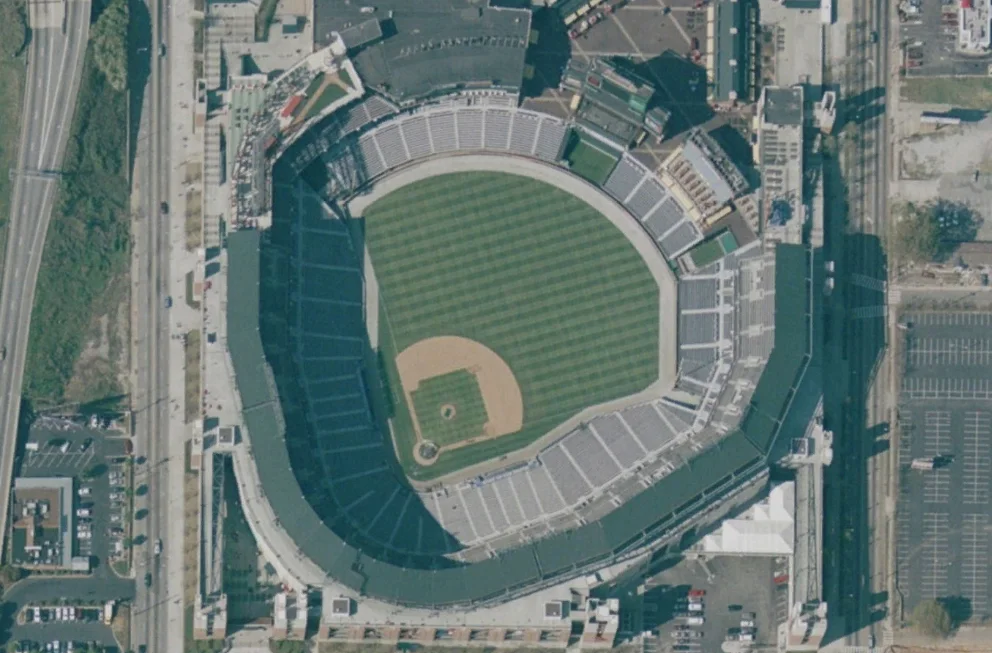
The 1996 Olympics and the arrival of the Braves brought global attention and major public investment. But from 1996 through 2016, the stadium district did not produce the broad neighborhood revitalization many residents had been promised. Large parking lots remained, local benefits were uneven, and the Braves eventually left.

Satellite image of Turner Field surrounded by highways and surface parking
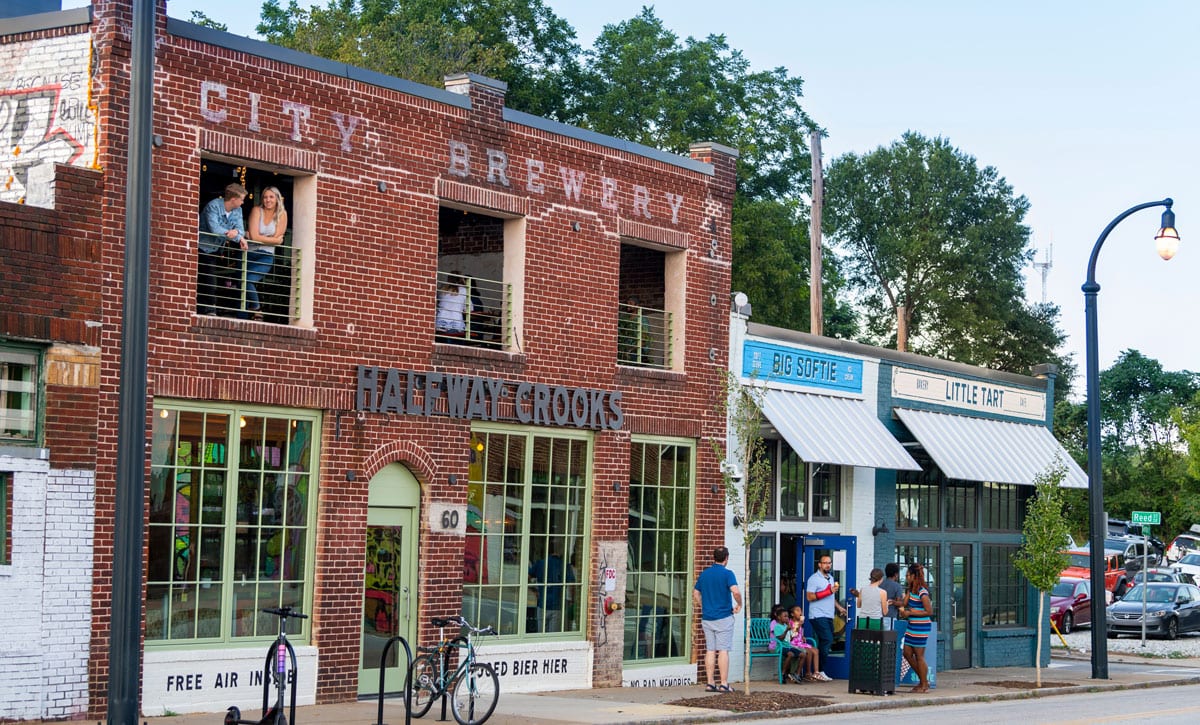
Summerhill today with community-focused development

Community-focused redevelopment

The Braves' departure opened the door to a different kind of redevelopment—one that reconnected streets, added housing and businesses, and brought daily life back to the area. The result contrasts with the large, single-use stadium and parking developments that previously occupied much of the area.